
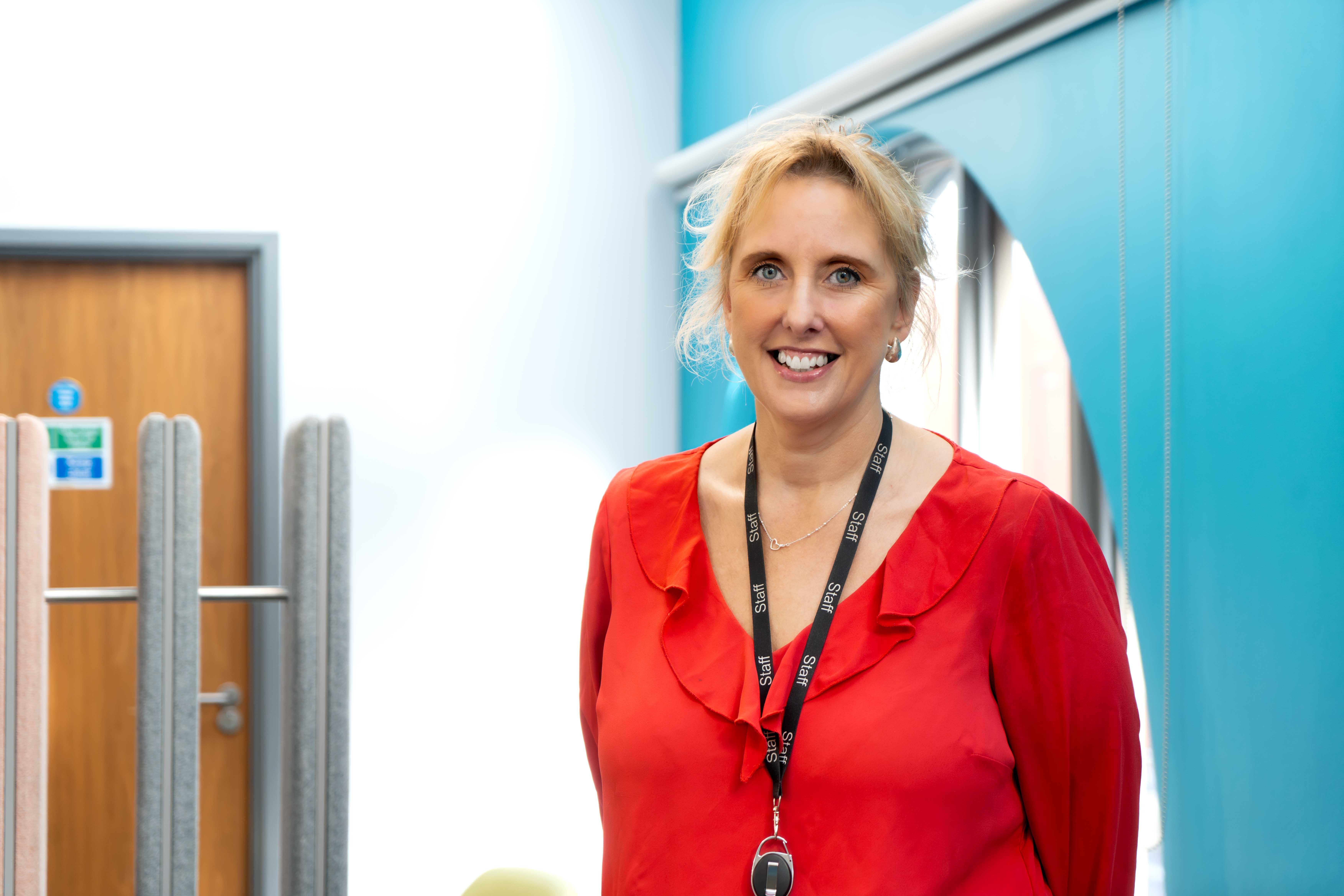
Sarah Kent on Leading with Purpose in Engineering and Construction

IWD 26 web 1

From business and finance to shaping the future of engineering education, Sarah Kent’s (T Level Lead for Construction & Engineering at NSCG Leek College) career journey is a powerful example of how confidence, courage and collaboration can open unexpected doors.

The more you lift others, the more you rise yourself.

Sarah Kent

Tell us about the start of your career. What did you learn that you still apply to your job role now?

My career began in business and finance, where I completed a BTEC National Diploma in Business and Finance. One of the most formative stages of my early working life was my time at Britannia Building Society’s Head Office, progressing to become a Sales Manager. This experience taught me how to analyse information, manage performance, support teams and work within a large, structured organisation. It strengthened my confidence, professionalism and ability to stay calm and organised in fast‑paced environments.

At the time, I didn’t realise how valuable those skills would become later in my career, but they gave me a strong foundation in leadership and communication.

Was a turning point in your career? How did it impact your future?

My transition into Further Education in 2009 was a turning point. Teaching allowed me to bring together everything I’d learned in the workplace with my natural strengths: supporting others, breaking down complex information and helping people grow. I began teaching Business and IT in engineering and construction theory.

I discovered that education gave me a sense of purpose I hadn’t felt before. Helping young people build confidence, develop skills and find their place in the world became the most rewarding part of my work.

What was stepping into a male-dominated industry like? What did you learn from that experience?

Stepping into engineering and construction as a woman meant entering spaces where I was often the only woman in the room. At first, that felt daunting. But I soon realised that I didn’t need to change who I was to fit in. The strengths I had developed throughout my career, communication, empathy, organisation and high standards, were not only valuable but essential.

I built credibility through consistency and professionalism and I became more confident in using my voice. I want young women to see that they belong in these industries just as much as anyone else and that their strengths are needed.

As T Level Lead for Engineering and Construction, I now play a key role in shaping curriculum, supporting staff and ensuring learners are ready for industry expectations. I work closely with employers, oversee placements and help learners develop both technical knowledge and the professional behaviours they need to succeed. This role has allowed me to influence not just individual learners, but the wider culture of the department. I’m proud to be part of a team that is opening doors for underrepresented groups.

What has been the most meaningful part of your career journey so far?

One of the most meaningful parts of my job is supporting learners who doubt themselves, especially young women who aren’t sure they belong in engineering or construction. Helping them recognise their strengths, build confidence and take up space in these industries has been one of the most rewarding aspects of my career.

I’ve also learned as much from my learners as they have from me. Their resilience, curiosity and trust have shaped me as a tutor and as a leader.

Can you share some careers advice for those just starting out in their journey?

Throughout my career, I’ve been supported by people who saw potential in me before I fully saw it in myself, managers who trusted me, colleagues who encouraged me and learners who inspired me. Their belief taught me the importance of lifting others up and creating opportunities wherever possible.

My philosophy is simple: careers don’t have to be linear and you don’t have to fit a stereotype to succeed. Every experience, planned or unexpected, can become part of your strength.

What do you want for the future of women starting careers in male-dominated industries?

I’m committed to continuing to champion women in engineering, construction, business, and IT. I want to help create a future where young women feel confident stepping into technical fields, where representation is normal and where collaboration and generosity are part of everyday culture.

My journey shows that you can build a meaningful career by being open to change, trusting your abilities and stepping into spaces even when you’re not sure you belong yet.

What does International Women’s Day mean to you? And why is it important to recognise the day?

International Women’s Day is a moment to pause and acknowledge the women who came before us, the ones who stand beside us and the young women who are still finding their path. For me, it’s about visibility, representation, and reminding ourselves that progress doesn’t happen by accident, it happens because people choose to challenge norms and open doors for others.

Recognising the day matters because it shines a light on the inequalities that still exist, especially in male‑dominated industries like engineering and construction. It gives us a platform to celebrate achievements, but also to have honest conversations about what still needs to change. When women see other women leading, teaching, building and shaping industries, it expands their sense of what’s possible.

Can you share a time when giving support to another woman positively impacted you too?

I taught a young woman who was naturally talented, enthusiastic and full of ideas, but she didn’t always recognise the strengths she brought to the group. I made a point of encouraging her to take the lead on certain tasks, share her thoughts in discussions and trust her own judgement. As she grew more confident, she began to shine, not because she had changed, but because she finally allowed others to see what she was capable of.

What stayed with me was how much her progress inspired me as well. Watching her step forward reminded me of the importance of nurturing potential, not just teaching content. It reinforced why I do what I do: seeing someone realise their own ability is one of the most rewarding parts of this job. Her growth gave me a renewed sense of purpose and reminded me that small moments of encouragement can have a lasting impact on both sides.

Who has given something to you, such as advice, confidence, an opportunity, etc., that helped shape your journey?

I’ve been shaped by people who saw potential in me before I fully saw it in myself. Managers who trusted me with responsibility, colleagues who encouraged me to step into leadership roles and women who shared their experiences openly so I didn’t feel alone navigating male‑dominated environments.

But one of the biggest influences has been the learners themselves. Their trust, their questions and their willingness to grow have pushed me to keep developing, learning and showing up as the best version of myself. They’ve given me purpose as much as I’ve given them guidance.

How can workplaces and colleges encourage a culture where women lift each other up?

A supportive culture doesn’t happen by accident, it’s built through everyday actions. I believe that workplaces and colleges can:

  • Create spaces where women can share experiences without judgement.
  • Celebrate women’s achievements publicly, not quietly.
  • Encourage mentoring and peer support, especially across different departments or levels.
  • Challenge stereotypes in curriculum, recruitment and leadership.
  • Make it normal for women to advocate for each other, recommend each other and speak each other’s names in rooms they’re not in.

What advice would you give to young women about the power of generosity and collaboration?

I don’t see generosity as a weakness, it’s a strength! When you share knowledge, opportunities, or encouragement, you’re not giving something away, you’re building a network of people that will support you in return.

Collaboration is how women thrive in spaces that weren’t originally designed for us. I believe that working together creates confidence, resilience and a sense of belonging. You don’t have to do everything alone and you don’t have to dim your light for someone else’s to shine. There is room for all of us!